Best Accounting Software for UAE SMEs in 2026: 5 Platforms Compared

- Best UAE-first all-rounder: Wafeq, especially if local tax workflows, Arabic support and a direct UAE eInvoicing path are priorities.
- Best value for most small businesses: Zoho Books, with low AED pricing, UAE VAT workflows, direct VAT filing and broad features.
- Best for usability, accountants and app integrations: Xero, particularly for service businesses and startups with a modern cloud stack.
- Best for ERP-heavy businesses: Odoo, where sales, purchasing, inventory, CRM, projects or manufacturing need to sit in one system.
- Best if your team already knows the Intuit ecosystem: QuickBooks Online, though its UAE-specific positioning is not as deep as Wafeq, Zoho Books or Odoo.
Overview
For most UAE SMEs in 2026, there is no single best accounting platform. Wafeq is the strongest UAE-first option, Zoho Books offers exceptional value and local tax features, Xero is excellent for usability and ecosystem depth, Odoo is best when finance must connect to wider ERP workflows, and QuickBooks remains a solid general accounting choice. The best fit depends on how much UAE localisation, automation, operational depth and implementation complexity your business actually needs.
In this guide:
- How We Scored the Software
- Xero vs Zoho Books vs Wafeq vs Odoo vs QuickBooks: Score Comparison
- Wafeq: Best UAE-First Accounting Software
- Zoho Books: Best Value for UAE SMEs
- Xero: Best for Usability, Collaboration and Integrations
- Odoo: Best When Accounting Is Part of a Wider ERP
- QuickBooks Online: Capable, Familiar, but Less UAE-Specific
- What About Tally?
- UAE eInvoicing Should Influence Your Decision Now
- A Practical Decision Framework
- Which Accounting Software Should a UAE SME Choose?
- Frequently Asked Questions
- How Maaliya Fits Into Your Accounting Stack
- Related Maaliya Guides
- Sources
Talk to Maaliya before you commit to a new subscription, migration or ERP implementation.
Book a free consultation today!How We Scored the Software
This is an editorial scorecard, not a vendor ranking based on sponsorship. We weighted the areas that matter most to a typical UAE SME: UAE tax and localisation 25%, ease of use 20%, banking and reconciliation 15%, automation and integrations 15%, operational features such as inventory and projects 10%, UAE eInvoicing readiness 10%, and value for money 5%.
The resulting overall scores are: Wafeq 8.8/10, Zoho Books 8.7/10, Xero 8.5/10, Odoo 8.2/10 and QuickBooks 7.6/10. These are comparative judgements based on the current products and UAE requirements as of 13 September 2026; they are not claims made by the vendors.
Xero vs Zoho Books vs Wafeq vs Odoo vs QuickBooks: Score Comparison
Editorial scores out of 10 based on Maaliya's weighted criteria (UAE tax and localisation, ease of use, banking and reconciliation, automation and integrations, operational features, UAE eInvoicing readiness and value for money), as of 13 September 2026. These are comparative judgements, not claims made by the vendors.
| Platform | Overall score (/10) | Best for |
|---|---|---|
| Wafeq | 8.8 | Most UAE-first experience and a direct eInvoicing ASP path |
| Zoho Books | 8.7 | Strongest value with deep UAE VAT workflows |
| Xero | 8.5 | Usability, accountant collaboration and integrations |
| Odoo | 8.2 | Finance combined with CRM, inventory or operations |
| QuickBooks Online | 7.6 | Teams already familiar with the Intuit ecosystem |
Wafeq: Best UAE-First Accounting Software
Wafeq is built around GCC accounting rather than adapted to it later. Its UAE product includes VAT and Corporate Tax workflows, inventory, payroll, purchasing, financial reporting and English/Arabic support. Wafeq's UAE site also states that support is available in English and Arabic. More importantly for 2026, Wafeq says it is an approved UAE Accredited Service Provider and is already transmitting live PINT AE invoices in the pilot.
Current monthly UAE pricing starts at AED 69 for Starter, AED 99 for Plus and AED 249 for Premium before annual-billing discounts, according to Wafeq's pricing page. That makes it more expensive than Zoho Books at the entry level, but the premium may be justified for businesses that want a more regionally focused product and a simpler eInvoicing compliance path.
For a deeper head-to-head comparison, see Maaliya's Xero vs Wafeq UAE guide.
Zoho Books: Best Value for UAE SMEs
Zoho Books is hard to beat on value. Zoho's UAE pricing page lists a Free plan at AED 0, Standard at AED 69 per organisation per month and Professional at AED 129 per month, with lower effective prices on annual billing. The Free plan remains available while annual revenue does not exceed AED 200,000, subject to plan limits.
Zoho Books is also strongly localised for UAE VAT. Its Standard plan includes VAT tracking, VAT returns, audit reports and direct VAT filing, and Zoho's UAE VAT page describes filing VAT returns directly from Zoho Books. Professional adds inventory, multi-currency, Corporate Tax compliance and more operational features.
The trade-off is ecosystem complexity. Zoho Books becomes even more powerful if you use Zoho CRM, Expense, Inventory or Analytics, but a business that only needs a clean finance ledger may find the wider Zoho suite unnecessary.
See Maaliya's Xero vs Zoho Books UAE comparison for the detailed feature-by-feature decision.
Xero: Best for Usability, Collaboration and Integrations
Xero remains one of the easiest cloud accounting products for founders, finance teams and external accountants to share. Xero UAE currently lists regular monthly prices of US$7 for Lite, US$29 for Starter, US$50 for Standard and US$75 for Premium, before temporary promotions. Xero also states that its subscription prices will increase from 1 November 2026.
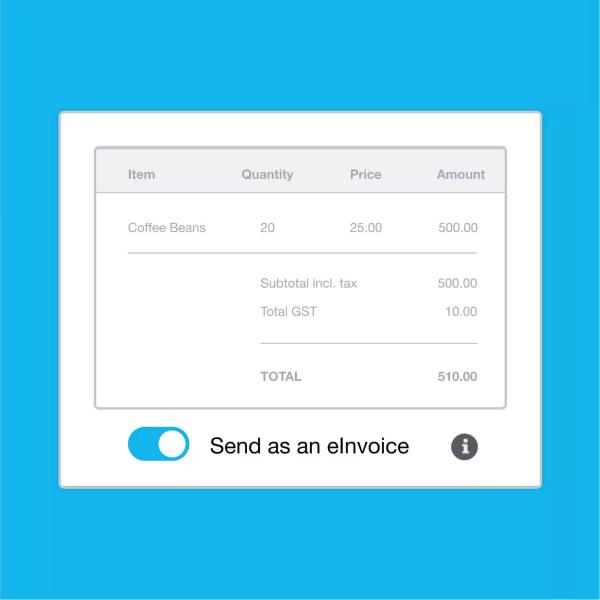
A major 2026 change is eInvoicing. Xero now says UAE eInvoicing is available on Starter, Standard and Premium at no additional cost through its Invoici platform, using Casim as the UAE Accredited Service Provider. The same page says Xero's UAE VAT tool is live.
Xero's main UAE weakness remains local banking breadth. It now advertises direct feeds for Wio Bank, Alaan and more, but a UAE SME should verify its exact bank before choosing the platform. If your bank is unsupported, statement imports and reconciliation workflows matter much more.
Maaliya's honest guide to using Xero in the UAE covers those limitations, while the UAE eInvoicing status guide tracks the newer compliance rollout.
Odoo: Best When Accounting Is Part of a Wider ERP
Odoo is the strongest option in this list when accounting cannot be separated from operations. Odoo 19's UAE localisation documentation describes a localised chart of accounts, preconfigured UAE VAT taxes, fiscal positions, VAT201-format reporting, Corporate Tax reporting and automatic currency-rate synchronisation using Central Bank of the UAE rates.
The strength is integration: CRM, sales, purchasing, inventory, projects, manufacturing and accounting can share one database. The weakness is implementation risk. A small consultancy that just needs bookkeeping may spend more time and money configuring Odoo than the extra functionality is worth, while a distributor or multi-department business may save money by replacing several separate systems.
QuickBooks Online: Capable, Familiar, but Less UAE-Specific
QuickBooks Online remains a capable SME accounting system with strong invoicing, expenses, reporting, multi-currency, inventory on higher plans and a huge global user base. QuickBooks' UAE VAT page says the product is pre-filled with the UAE 5% VAT rate and can track VAT on invoices, expenses and purchases and prepare VAT reports.
Its disadvantage in this comparison is not core accounting quality; it is relative localisation. Wafeq is more explicitly UAE-first, Zoho Books has deeper visible UAE tax workflows, Odoo documents a dedicated UAE fiscal localisation, and Xero now has a clearly published UAE eInvoicing route. That makes QuickBooks harder to rank first for a business choosing from scratch specifically for UAE requirements.
See Maaliya's Xero vs QuickBooks UAE comparison if those are your final two options.
What About Tally?
TallyPrime still deserves consideration for businesses that prefer a traditional accounting environment, already have trained Tally users or need workflows built around the Tally ecosystem. It is less cloud-native than the five platforms above, so it was not included in the primary ranking for a typical modern SME. Maaliya's Xero vs Tally UAE guide covers that trade-off in detail.
UAE eInvoicing Should Influence Your Decision Now
The UAE Ministry of Finance has set phased mandatory eInvoicing dates. Businesses with annual revenue of at least AED 50 million must appoint an Accredited Service Provider by 30 October 2026 and implement eInvoicing from 1 January 2027. Businesses below AED 50 million must appoint an ASP by 31 March 2027 and implement from 1 July 2027. The first deadline was extended in a Ministry announcement dated 10 May 2026. The Ministry also maintains the official list of accredited providers.
Do not choose software only because it can generate a compliant-looking PDF invoice. UAE eInvoicing requires structured invoice exchange through the regulated network and an Accredited Service Provider. Ask each vendor exactly how your company will onboard, which ASP is used, what plan is required and whether there are extra charges.
"Businesses with annual revenue of at least AED 50 million must appoint an Accredited Service Provider by 30 October 2026 and implement UAE eInvoicing by 1 January 2027. Businesses below AED 50 million follow on 31 March 2027 and 1 July 2027."
– UAE Ministry of Finance, 10 May 2026 announcement
A Practical Decision Framework
Which Accounting Software Should a UAE SME Choose?
Choose Wafeq if you want the most UAE-first experience. Choose Zoho Books if value and local tax functionality matter most. Choose Xero if usability, accountant collaboration and integrations are your priorities. Choose Odoo if accounting needs to be part of a broader operating system. Choose QuickBooks if your team already knows it well and its UAE workflow meets your exact needs.
The software choice is only one part of the finance stack. If your real problem is document capture, coding and transaction processing, Maaliya's guide to the best AI bookkeeping software for UAE businesses may be the more useful next step.
Frequently Asked Questions
For a typical small UAE business, Wafeq, Zoho Books and Xero are the strongest starting points. Wafeq is the most locally focused, Zoho Books offers the strongest value, and Xero is particularly strong for usability and integrations.
Zoho Books, Wafeq and Odoo currently show especially strong UAE-specific VAT functionality. Xero's UAE VAT tooling is now live according to Xero, while QuickBooks supports UAE VAT tracking and reporting. Correct tax coding still depends on the facts of each transaction.
The mandatory date depends on annual revenue. Businesses with revenue of at least AED 50 million must implement by 1 January 2027; businesses below AED 50 million must implement by 1 July 2027. Businesses should prepare before the deadline because ASP onboarding and system configuration take time.
Odoo is better when the business genuinely needs an ERP. For a simple service company, the extra modules and implementation effort can be unnecessary. For trading, distribution or operationally complex businesses, integrated inventory, purchasing, sales and accounting can be a major advantage.
How Maaliya Fits Into Your Accounting Stack
Whichever ledger you choose, the time-consuming work often happens before transactions reach it: collecting documents, extracting data, coding entries, reconciling bank activity and keeping VAT records clean. Maaliya is being built to automate those finance operations around your accounting system rather than forcing you to replace the ledger immediately.
Whatever ledger you choose, Maaliya can automate the document capture, coding and bank reconciliation work that happens before transactions ever reach it.
Parse your bank statements now!Related Maaliya Guides

Sources
- UAE Ministry of Finance, Ministry of Finance announces targeted amendments to eInvoicing system decisions, published 10 May 2026, accessed 13 September 2026.
- Xero, Pricing Plans | Xero AE and eInvoicing Software | Xero AE, accessed 13 September 2026.
- Zoho, Zoho Books UAE Pricing and VAT-ready accounting software, accessed 13 September 2026.
- Wafeq, Pricing & Plans and Approved ASP for UAE e-invoicing, accessed 13 September 2026.
- Intuit QuickBooks, Tax and VAT Ready Accounting Software | QuickBooks UAE, accessed 13 September 2026.
- Odoo, United Arab Emirates, Odoo 19.0 documentation, accessed 13 September 2026.
This article provides general information and product comparison only. Tax treatment, filing obligations and software suitability depend on each business's facts and current UAE rules.
Like what you read? Add Maaliya as a preferred source on Google.
Built for the UAE.