Does Xero Support UAE eInvoicing? 2026 Status & Timeline
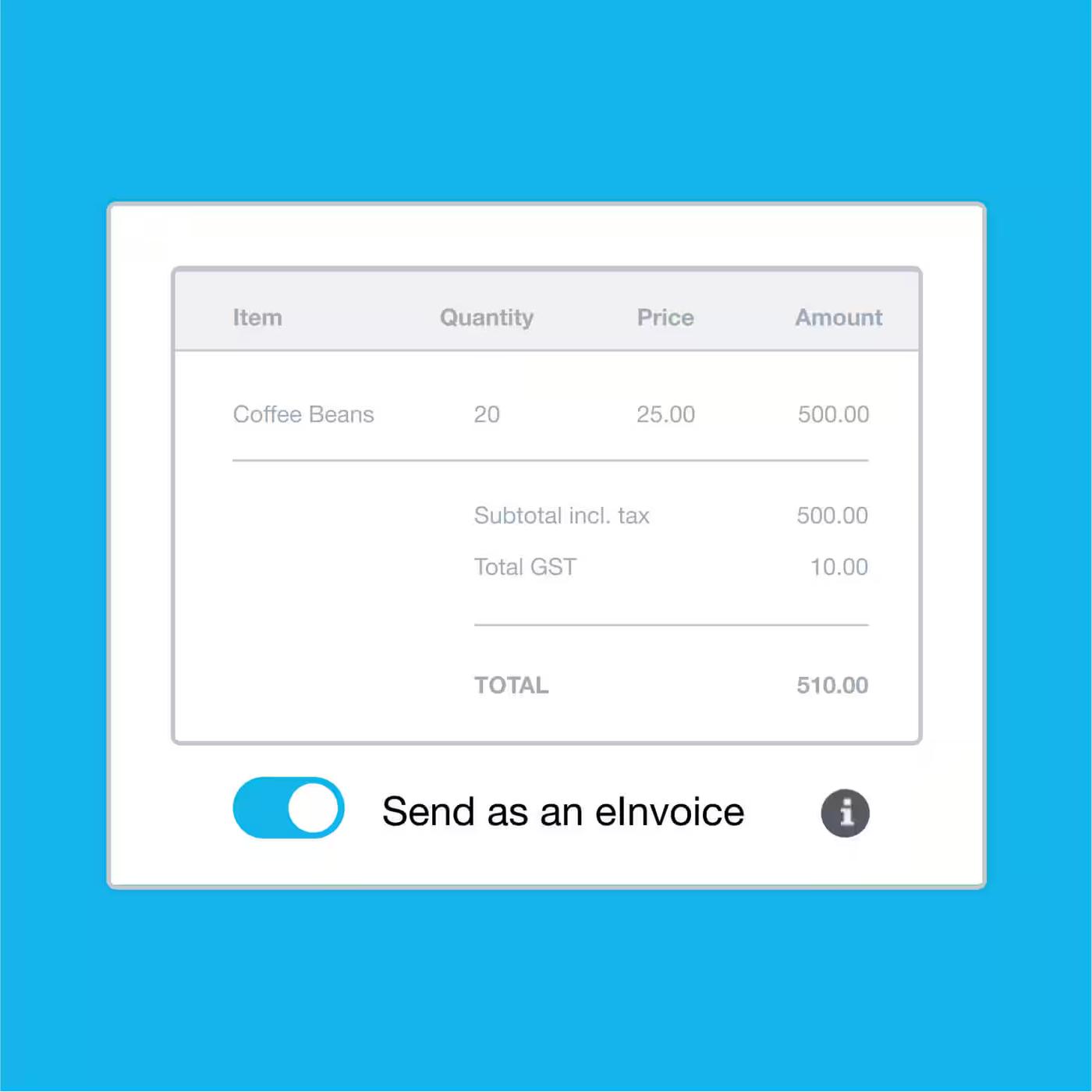
Introduction
As of 4 September 2026, Xero does not yet offer its complete dedicated UAE eInvoicing workflow as a generally available product. Xero’s UAE website still says its UAE eInvoicing software will launch soon. That does not mean UAE businesses cannot use Xero today; it means a normal Xero invoice is not automatically the regulated UAE eInvoice required under the new framework.
Xero’s current UAE page says the company is preparing UAE-specific eInvoicing support and that its UAE eInvoicing software is coming soon.
In this guide:
- The short answer: does Xero support UAE eInvoicing?
- What counts as an eInvoice in the UAE?
- How the UAE eInvoicing system works
- What is Xero’s current UAE eInvoicing status?
- UAE eInvoicing deadlines Xero users need to know
- Can you keep using Xero after UAE eInvoicing becomes mandatory?
- What should UAE businesses using Xero do now?
- Common misconceptions about Xero and UAE eInvoicing
- Key takeaways
- Frequently asked questions
- Where Maaliya fits
- Related Maaliya guides
- Sources & disclaimer
The short answer: does Xero support UAE eInvoicing?
Not fully yet. Xero already has invoicing features and international Peppol experience, and it says it helped design the UAE PINT-AE standard. But the UAE-specific compliance workflow that will exchange structured eInvoices through the local Accredited Service Provider framework is still being rolled out.
"The important distinction is simple: creating an invoice electronically in Xero is not the same thing as issuing a UAE-regulated eInvoice."
What counts as an eInvoice in the UAE?
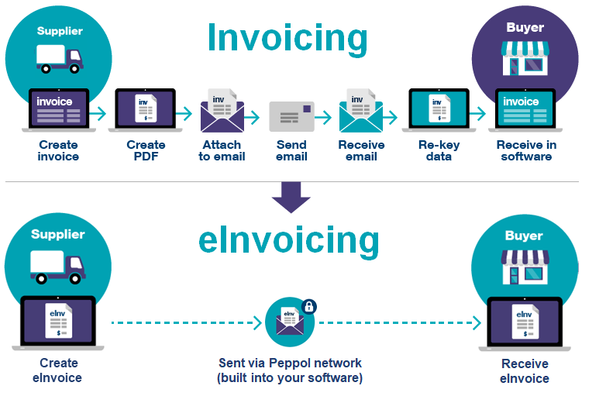
The UAE Ministry of Finance defines an eInvoice as structured invoice data issued and exchanged electronically between supplier and buyer, and reported electronically to the Federal Tax Authority. The Ministry explicitly states that PDFs, Word files, images, scanned copies and ordinary emails are not eInvoices under this framework.
So if you create an invoice in Xero, download it as a PDF and email it to a customer, you have created an electronic document, but not necessarily a compliant UAE eInvoice. The regulated process depends on structured data, validation and transmission through the approved network.
How the UAE eInvoicing system works
The UAE uses a Peppol-based model in which businesses connect through Ministry-accredited service providers. In April 2026, the Ministry of Finance announced that businesses could begin selecting an Accredited Service Provider through EmaraTax and commence their eInvoicing journey.
In practical terms, your accounting or invoicing system sends structured invoice data to your Accredited Service Provider. The data is validated and transmitted through the UAE network to the buyer’s service provider, while the required tax data is reported electronically within the framework.
What is PINT-AE?
PINT-AE is the UAE implementation of the Peppol International Invoice specification. It defines the structured electronic invoice format and data requirements used in the UAE framework. The Ministry’s Electronic Invoicing Guidelines version 1.1 point businesses to the PINT-AE specifications and XML examples.
What is Xero’s current UAE eInvoicing status?
Xero’s position is promising but not yet complete. Its UAE website says Xero will launch UAE eInvoicing software soon, describes the PINT-AE standard, and publishes the UAE implementation deadlines. Xero also says it has Peppol eInvoicing experience in more than 15 markets.
The practical consequence is that a business should not assume its current Xero subscription alone satisfies the UAE Accredited Service Provider requirement. The Ministry of Finance maintains the authoritative list of accredited providers, and Xero does not currently appear on that published list as of 4 September 2026.
Before signing a contract or relying on a software vendor’s roadmap, check the Ministry’s live Accredited Service Provider list, because it is updated as providers complete accreditation.
UAE eInvoicing deadlines Xero users need to know
For businesses with annual revenue of at least AED 50 million, the deadline to appoint an Accredited Service Provider is 30 October 2026, and mandatory implementation begins on 1 January 2027. The October deadline reflects the Ministry’s May 2026 extension from the earlier 31 July date.
For businesses below AED 50 million in annual revenue, Xero’s UAE guidance currently shows an ASP appointment deadline of 31 March 2027 and mandatory implementation from 1 July 2027, subject to the final scope and any later official amendments.
- Revenue at least AED 50 million: appoint an ASP by 30 October 2026; go live by 1 January 2027.
- Revenue below AED 50 million: appoint an ASP by 31 March 2027; go live by 1 July 2027.
Because the programme is actively evolving, businesses should verify these dates again before making a compliance decision. This article reflects information available on 4 September 2026.
Book a free consultation and the Maaliya team will help you map your eInvoicing wave, review your invoice data readiness and plan your ASP transition.
Book a free consultation today!Can you keep using Xero after UAE eInvoicing becomes mandatory?
Potentially yes. The key question is not whether Xero remains your accounting ledger; it is how Xero connects into the required eInvoicing network. A business could continue using Xero while its invoice data flows through Xero’s future UAE capability or another accredited provider or integration that meets the Ministry’s requirements.
That distinction matters when deciding whether Xero is the right long-term ledger for your business. See Maaliya’s guide to whether Xero is suitable for UAE businesses for the wider accounting, VAT, payroll and banking picture.
What should UAE businesses using Xero do now?
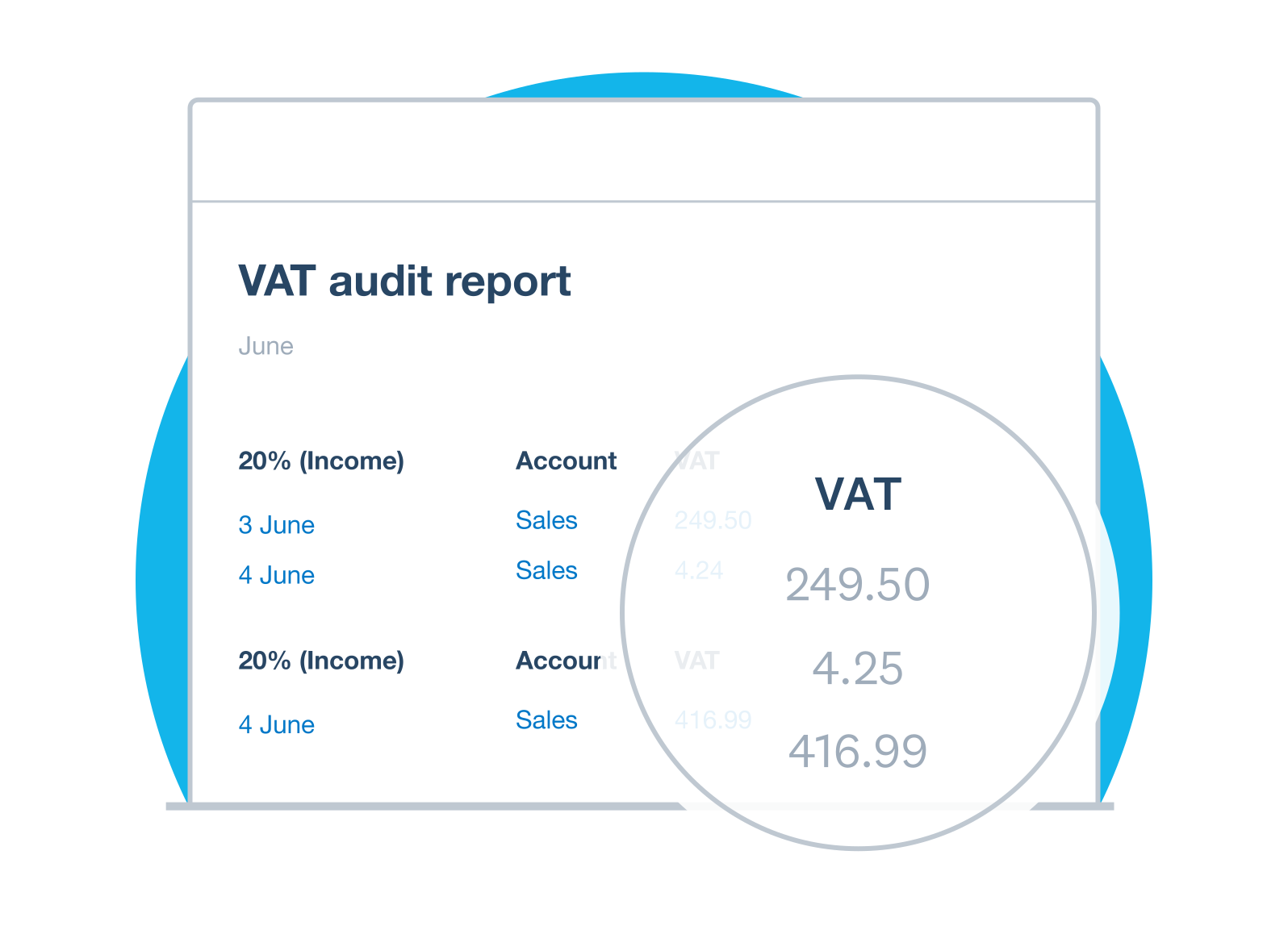
If you are still fixing today’s invoicing setup, start with Maaliya’s guide to creating UAE-compliant invoices in Xero. A compliant VAT invoice today and a regulated eInvoice under the new framework are related, but they are not the same thing.
Common misconceptions about Xero and UAE eInvoicing
“I already email invoices from Xero, so I am compliant.”
Not necessarily. Emailing a PDF is specifically outside the Ministry’s definition of a structured eInvoice.
“Xero supports Peppol elsewhere, so UAE support must already be live.”
No. International Peppol capability is relevant, but UAE compliance depends on the UAE implementation, PINT-AE requirements and the local Accredited Service Provider framework. Xero itself still labels the UAE product as coming soon.
“I should replace Xero immediately.”
Not based on eInvoicing alone. The better decision is to determine whether Xero’s final UAE integration, or a compatible ASP connection, can support your required workflow before your deadline.
- Xero’s dedicated UAE eInvoicing product is still marked as coming soon as of 4 September 2026.
- A PDF invoice generated in Xero is not, by itself, a UAE eInvoice, because the regulated system requires structured invoice data.
- The UAE framework uses accredited providers and PINT-AE/Peppol-based structured exchange.
- Large businesses need an ASP by 30 October 2026 and mandatory implementation by 1 January 2027; smaller businesses follow in 2027 under the current timetable.
- Do not assume your current Xero plan satisfies the ASP requirement until Xero’s UAE rollout and provider arrangement are confirmed.
Frequently asked questions
Xero does not appear on the Ministry of Finance's published Accredited Service Provider list as of 4 September 2026. Check the live Ministry list, because new providers can be added.
Yes, subject to the current invoicing and VAT rules applicable to your business. The new mandatory eInvoicing dates phase in from 2027, although voluntary adoption and onboarding activity started earlier.
Xero's future UAE eInvoicing workflow is expected to integrate into the regulated exchange and reporting process, but businesses should not assume their existing Xero invoicing setup already performs UAE eInvoicing reporting today.
The UAE network uses the structured PINT-AE standard, with the accredited service-provider layer handling validation and conversion into the required UAE standard eInvoice XML format where necessary.
Where Maaliya fits
Before structured eInvoicing goes live, businesses still need clean invoice data and compliant VAT documents. Maaliya’s VAT Invoice Checker can help you review the invoices you issue today while you prepare your systems and customer master data for the UAE eInvoicing transition.
Run a real Xero invoice through Maaliya’s VAT Invoice Checker to catch missing fields and presentation issues.
VAT Invoice CheckerRelated Maaliya guides

Sources & disclaimer
- UAE Ministry of Finance: eInvoicing programme portal; current portal, accessed 4 September 2026.
- UAE Ministry of Finance: Targeted amendments to eInvoicing system decisions; published 10 May 2026, accessed 4 September 2026.
- UAE Ministry of Finance: eInvoicing Accredited Service Providers; live list, accessed 4 September 2026.
- Xero UAE: eInvoicing and VAT Software for the UAE; accessed 4 September 2026.
- UAE Ministry of Finance: UAE Electronic Invoicing Guidelines, version 1.1; dated 1 June 2026, accessed 4 September 2026.
This article provides general information only and is not personalised tax, accounting or legal advice. UAE eInvoicing requirements are evolving; verify material implementation decisions against the current Ministry of Finance and FTA guidance.
Like what you read? Add Maaliya as a preferred source on Google.
Built for the UAE.